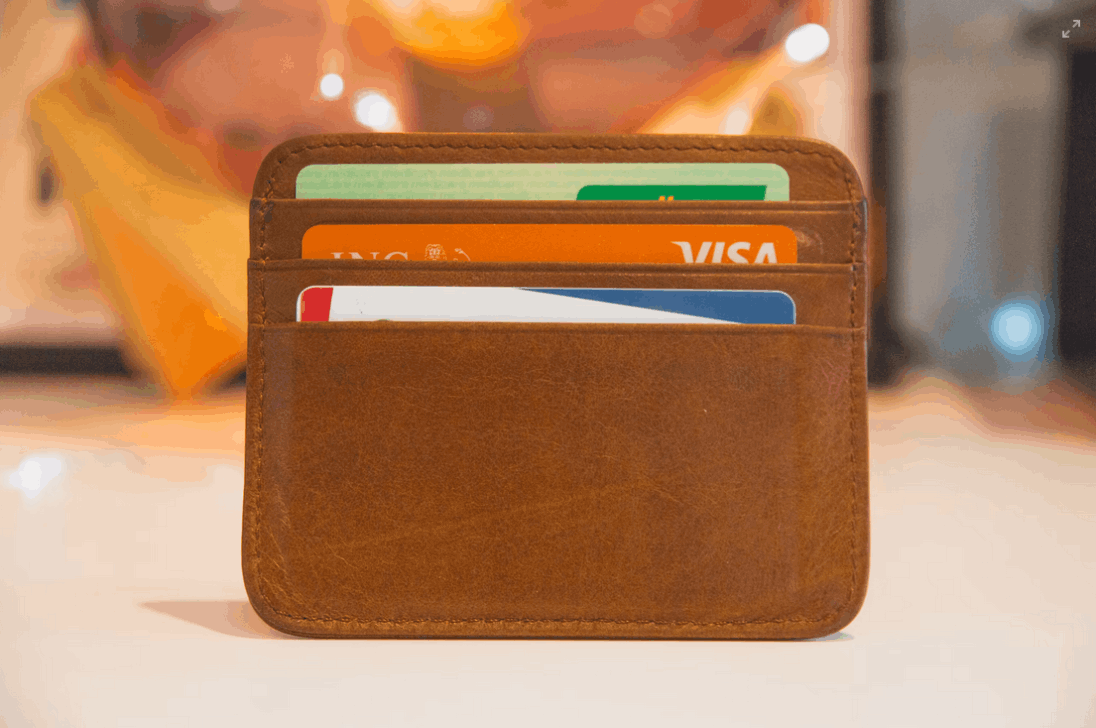
How Inflation Affects Your Wallet
Inflation is a term that often makes headlines, but what does it really mean for your finances? Simply put, inflation refers to the increase in the price of goods and services over time.
When inflation rises, the purchasing power of your money decreases. This means that the same amount of money buys fewer goods and services than before. For example, if the price of groceries increases by 5%, you'll need more money to buy the same items.
Inflation can impact various aspects of your life, from everyday expenses to long-term savings. For instance, rising prices can strain your budget, making it harder to afford necessities. Additionally, inflation can erode the value of your savings over time.
To protect your finances, it's important to understand how inflation works. One strategy is to invest in assets that tend to outpace inflation, such as stocks or real estate. Another approach is to adjust your budget to account for rising prices.
Governments and central banks also play a role in managing inflation. Through policies like adjusting interest rates, they aim to keep inflation at a stable level. However, these measures can have both positive and negative effects on the economy.
In conclusion, inflation is a key economic factor that affects everyone. By staying informed and taking proactive steps, you can mitigate its impact on your wallet.